Spinal Fractures
Reviewed by our Healthcare Team Member

Mitchell Long, DO
Share This Page
Spinal Fractures: Causes, Symptoms, and Treatment Options
A spinal fracture is a break in one or more of the bones of the spine, called vertebrae. These injuries range from stable compression fractures that may be treated without surgery to unstable fractures that can threaten the spinal cord and require urgent treatment.
Spinal fractures may affect the cervical spine (neck), thoracic spine (mid-back), or lumbar spine (lower back). Prompt evaluation is important because a fracture can sometimes cause damage to the spinal cord or nearby nerve roots, even when symptoms initially seem manageable.
Types of Spinal Fractures
Compression fractures
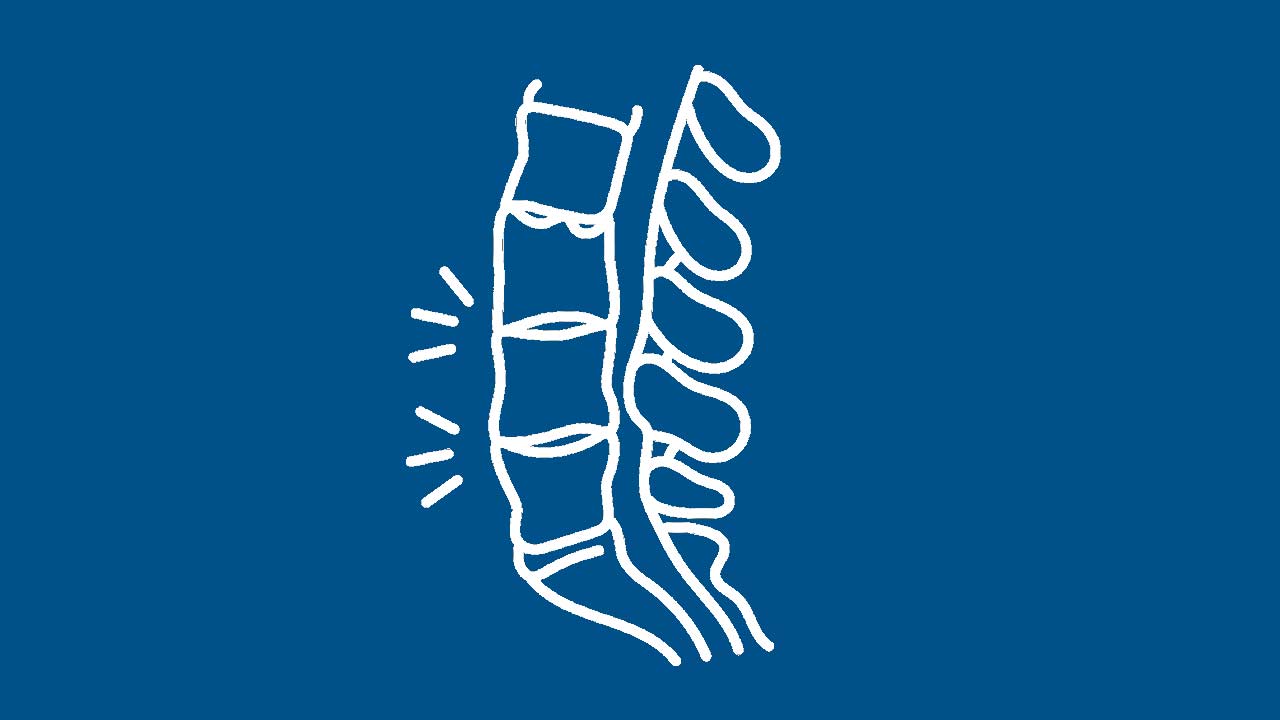
A compression fracture occurs when part of a vertebra collapses, usually at the front. These fractures are common in people with osteoporosis, a condition that weakens bones.
Burst fractures
A burst fracture occurs when a vertebra is crushed in multiple directions, often after significant trauma. Bone fragments may move toward the spinal canal and place pressure on nerves or the spinal cord.
Flexion-distraction fractures
Sometimes called “Chance fractures,” these injuries occur when the spine is forcefully pulled apart, such as in a high-impact motor-vehicle accident.
Fracture-dislocations
These severe injuries involve both a fractured vertebra and abnormal movement or displacement between spinal bones. They are typically unstable and may require urgent surgical stabilization.
Causes and Risk Factors
Trauma
Falls, motor-vehicle collisions, sports injuries, and other high-impact events can cause spinal fractures at any age.
Osteoporosis
Osteoporosis is the most common cause of vertebral compression fractures. A fracture may occur after a minor fall, lifting, bending, coughing, or sometimes without a clearly recognized injury.
Cancer or other bone disorders
Cancer that has spread to the spine, multiple myeloma, infection, or other conditions that weaken bone can increase fracture risk.
Age and prior fracture history
The risk of osteoporosis-related fractures rises with age. A previous vertebral fracture also increases the risk of future fractures.
Medication and lifestyle factors
Long-term corticosteroid use, smoking, low body weight, poor nutrition, and limited weight-bearing activity may contribute to bone loss and fracture risk.
Common Symptoms of a Spinal Fracture
Symptoms vary according to the fracture’s location, severity, and whether nerves or the spinal cord are affected.
Back or neck pain
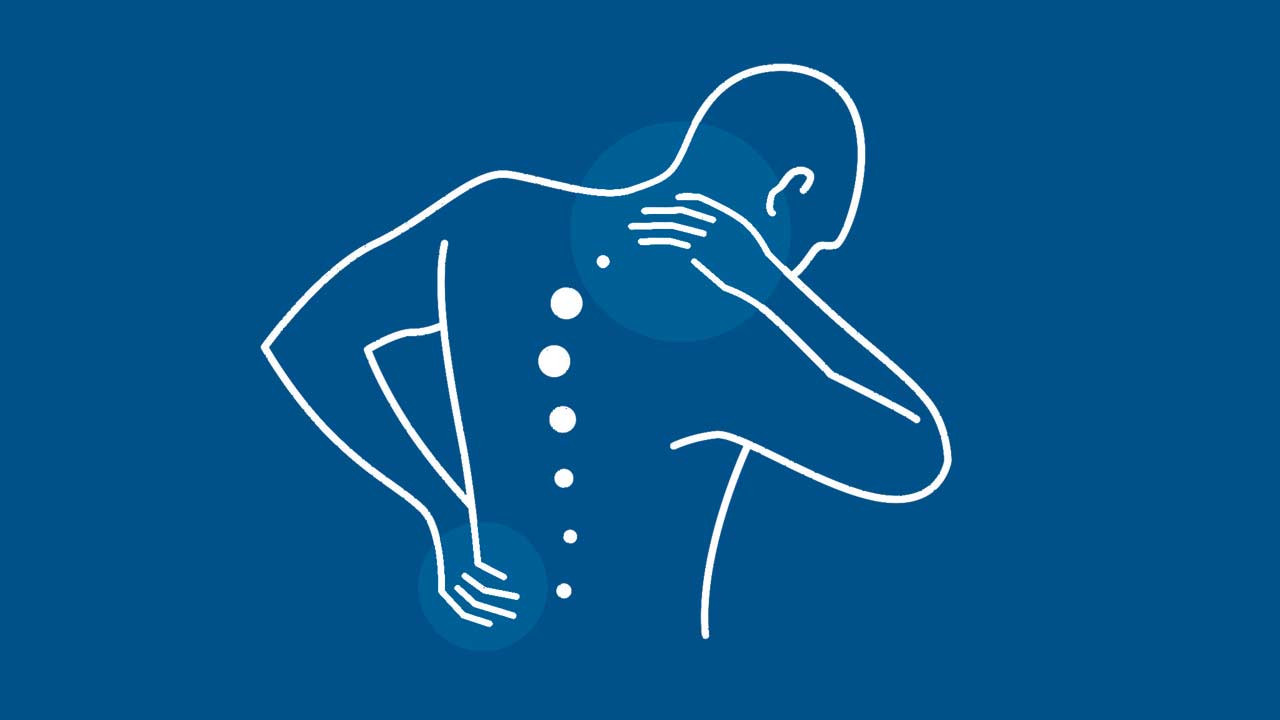
Pain may begin suddenly after trauma or develop gradually with an osteoporosis-related compression fracture. It can be severe and worsen with standing, walking, bending, or movement.
Tenderness and muscle spasm
The affected area may feel tender, stiff, or difficult to move.
Loss of height or changes in posture
Multiple compression fractures can lead to height loss and a forward-curved or stooped posture, known as kyphosis.
Numbness, tingling, weakness, or radiating pain
These symptoms may occur if the fracture affects a nerve root or places pressure on the spinal cord.
Balance, walking, or coordination problems
These can indicate spinal cord involvement, especially with injuries in the neck or upper back.
Bowel or bladder changes
New difficulty controlling urination or bowel movements is an emergency warning sign.
Diagnosis
Medical history and physical examination
A clinician will ask about the injury, symptoms, medical history, medications, and risk factors such as osteoporosis. The examination may include assessment of strength, sensation, reflexes, balance, and spinal alignment.
X-rays
X-rays may identify many vertebral fractures and show changes in spinal alignment.
CT scan
CT imaging provides detailed views of bone and is especially valuable for evaluating traumatic fractures.
MRI
MRI can show the spinal cord, nerve roots, discs, ligaments, and soft tissues. It may be used when there is concern for nerve injury, ligament damage, cancer, infection, or an occult fracture.
Bone-health evaluation
For patients with a low-trauma compression fracture, evaluation may include a bone-density test and laboratory studies to identify osteoporosis or another underlying cause of weakened bone.
Non-Surgical Treatment Options
Treatment depends on the type and stability of the fracture, the patient’s overall health, and whether nerves or the spinal cord are involved.
Pain management
A clinician may recommend acetaminophen, anti-inflammatory medicines, or other short-term pain-management options when appropriate for the patient’s medical history.
Activity modification
Temporary changes in activity may help protect the spine while symptoms improve. Prolonged bed rest is generally avoided unless specifically directed by the treating clinician.
Bracing
A cervical collar, thoracic brace, or lumbar brace may be used in selected stable fractures to limit motion and support healing. The type and duration of bracing should be determined by a spine specialist.
Physical therapy and rehabilitation
Once it is safe, guided therapy can help restore movement, strength, posture, balance, and confidence with daily activities.
Osteoporosis treatment
For osteoporosis-related compression fractures, treating low bone density is an important part of preventing future fractures. Care may include nutrition guidance, weight-bearing exercise when medically appropriate, fall-prevention measures, and medication prescribed by a qualified clinician.
Surgical Treatment Options
Surgery may be recommended for an unstable fracture, progressive deformity, spinal cord or nerve compression, severe pain that does not improve with appropriate non-surgical care, or a fracture related to cancer or infection.
Spinal decompression
A surgeon may remove bone fragments or other tissue that is compressing the spinal cord or nerves.
Spinal fusion and instrumentation
Rods, screws, cages, and bone graft may be used to restore alignment and stabilize the injured part of the spine while fusion occurs.
Vertebral augmentation
For carefully selected patients with painful osteoporotic compression fractures, procedures such as kyphoplasty may stabilize the vertebra and, in some cases, improve pain and mobility. These procedures are not appropriate for every fracture.
Recovery and Rehabilitation
Recovery depends on the fracture type, location, treatment, bone health, and the presence of neurological injury. Follow-up imaging and clinical examinations help ensure that the spine is healing and remains stable.
Rehabilitation may include gradual return to movement, strengthening, balance training, and instruction on safe body mechanics. Patients with osteoporosis should also receive a long-term plan to reduce fall and fracture risk.
Comprehensive Spinal Fracture Care at New York Brain, Spine & Joint
New York Brain, Spine & Joint provides coordinated care for spine conditions across Long Island, Manhattan, Metro New York, and New Jersey. Our multidisciplinary model brings together neurosurgical, orthopedic, pain-management, physical therapy, imaging, chiropractic, and rehabilitation expertise to support patients from diagnosis through recovery.
For patients with spinal fractures, treatment planning is individualized to the injury, stability of the spine, neurological findings, bone health, and personal recovery goals. When surgery is necessary, our spine specialists evaluate both minimally invasive and reconstructive options aimed at relieving pressure on neural structures and restoring spinal stability.
A possible spinal injury may be an emergency. Seek immediate medical care for symptoms of spinal cord or nerve involvement, or after significant neck or back trauma.
Disclaimer: This article is intended for informational purposes only. It is not a substitute for professional medical advice, diagnosis, or treatment. Always consult a qualified healthcare provider.
Expert Care For This Condition Provided By

Raymond Baule, MD

Daniel Birk, MD

Ruth Bochat FNP

Samuel Brown, DO

Adam Cotter, PA
Mitchell Long, DO

Nitin Mariwalla, MD

Zihan Masood, MD

Alexandros Zouzias, MD