Back Pain
Reviewed by our Healthcare Team Member

Daniel Birk, MD
Share This Page
Back Pain: Causes, Symptoms, and Treatment Options
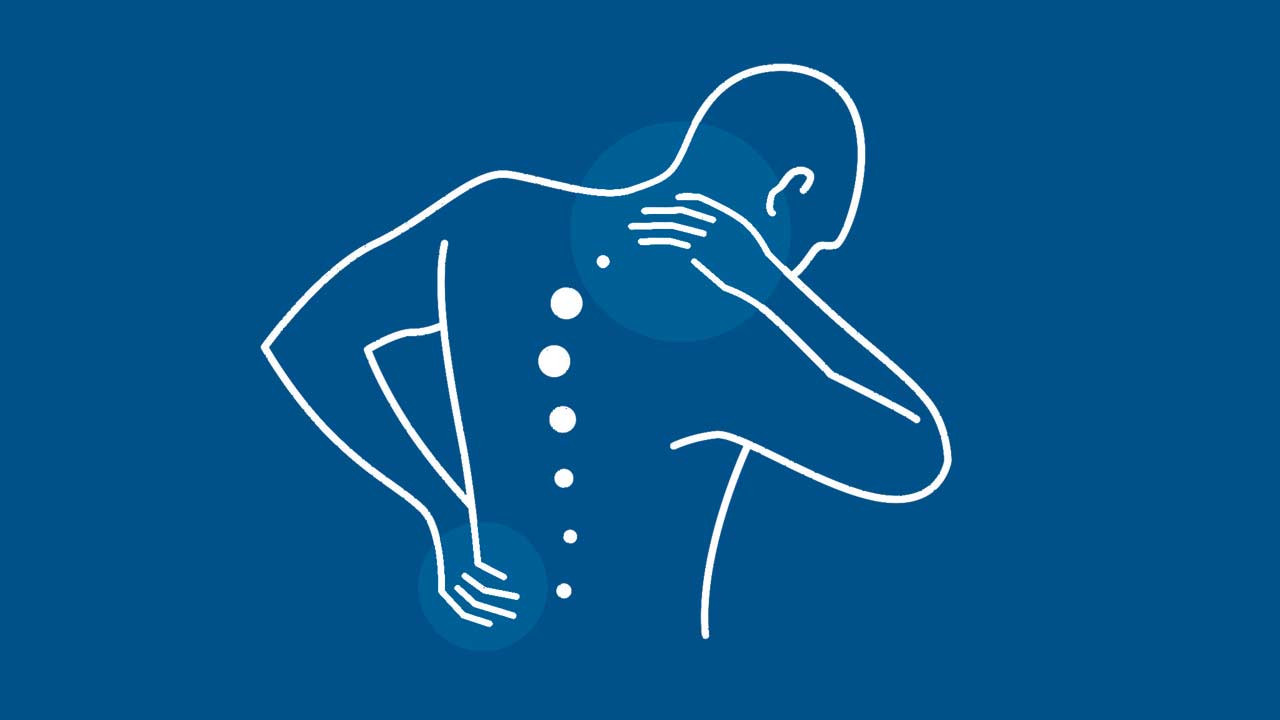
Back pain is one of the most common medical complaints globally, affecting people of all ages and lifestyles. It can originate from the muscles, ligaments, nerves, or bones of the spine and may be acute (short-term) or chronic (lasting more than three months). Causes vary widely—from muscle strains to degenerative conditions such as disc disease or arthritis.
Understanding the Spine and Back
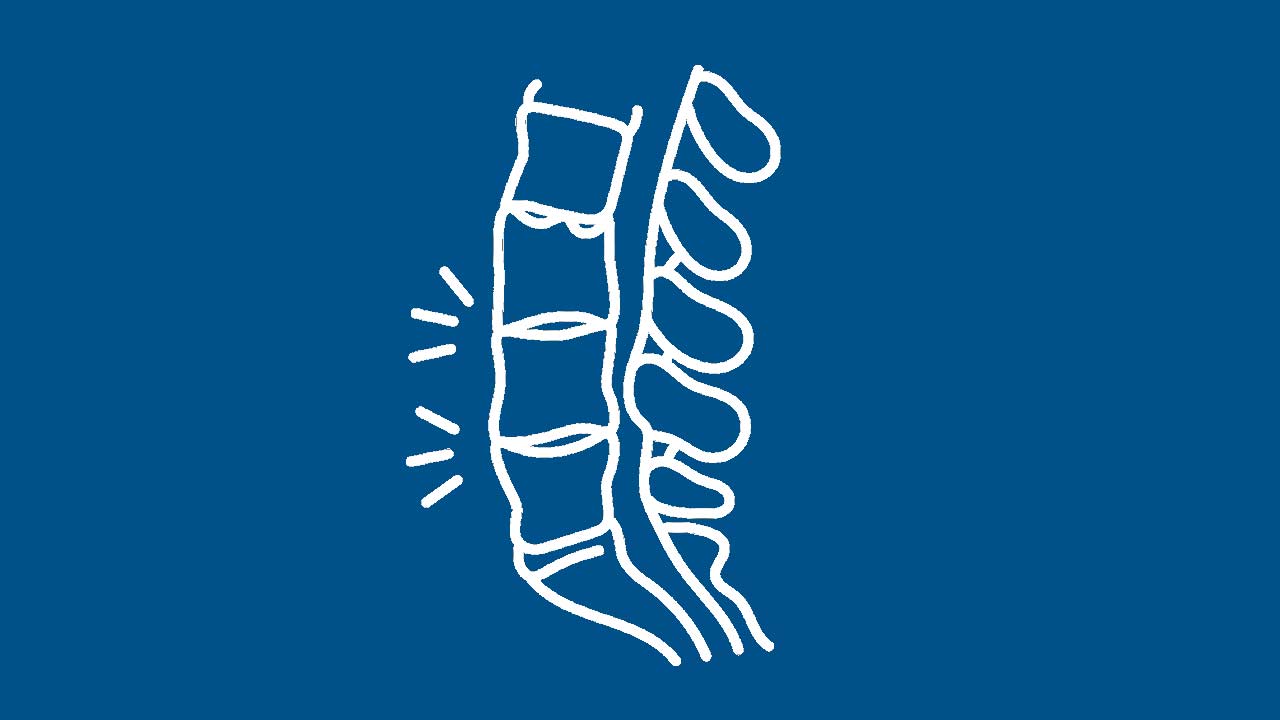
The spine consists of vertebrae separated by discs, held together by ligaments and supported by muscles. Nerves run through the spinal canal, carrying signals between the brain and the rest of the body. When any of these structures becomes irritated or injured, back pain can result.
Causes and Risk Factors
- Muscle or Ligament Strains
Sudden movements, heavy lifting, or poor posture may lead to strains. - Degenerative Conditions
Osteoarthritis, degenerative disc disease, and spinal stenosis can cause chronic back pain. - Injuries
Accidents or traumatic events can damage vertebrae, discs, or soft tissues. - Structural Problems
Curvature abnormalities (scoliosis) or spondylolisthesis may place excessive stress on the spine. - Lifestyle Factors
Obesity, insufficient exercise, and smoking can exacerbate back pain and slow healing.
Common Symptoms
- Localized Pain: May be sharp, dull, or radiating.
- Stiffness: Reduced range of motion or difficulty standing upright.
- Muscle Spasms: Involuntary contractions causing acute pain.
- Leg Pain: Radiating discomfort if nerve roots are compressed (e.g., sciatica).
Diagnosis
- Medical History and Physical Exam
A thorough examination evaluates posture, reflexes, and any neurological deficits. - Imaging
X-rays: Identifies structural changes.
MRI or CT Scan: Detects disc issues, nerve compression, or other abnormalities. - Additional Tests
Nerve Conduction Studies: Assess nerve function if radiculopathy is suspected.
Non-Surgical Treatment Options
- Medications
NSAIDs, analgesics, or muscle relaxants to manage pain and inflammation. - Physical Therapy
Tailored exercises to strengthen the core, improve flexibility, and reduce recurrence.
Education on correct lifting and posture techniques. - Heat/Cold Therapy
Helps relieve inflammation and muscle tension. - Injections
Epidural steroids or nerve blocks for temporary pain relief. - Lifestyle Modifications
Weight management, regular low-impact exercise, and quitting smoking support spine health.
Surgical Treatment Options
- Discectomy or Laminectomy: Removal or reshaping of damaged discs or bone to relieve nerve pressure.
- Spinal Fusion: Stabilization of vertebrae if degenerative changes or injuries cause significant instability.
- Artificial Disc Replacement: In certain cases, preserves some range of motion.
Recovery and Rehabilitation
- Short-Term: Pain management, gradual return to daily activities, and possible bracing.
- Long-Term: Physical therapy, consistent exercise regimens, and ergonomic improvements to prevent future episodes.
Our Multi-Disciplinary Approach in NYC
Our multi-location clinic in the New York City metro area uses a team-based model—combining neurosurgery, orthopedic surgery, pain management, and rehabilitative services—to identify the root cause of back pain and customize treatment. We welcome local and international patients seeking comprehensive, advanced spine care.
Additional Resources
Disclaimer: This article is intended for informational purposes only. It is not a substitute for professional medical advice, diagnosis, or treatment. Always consult a qualified healthcare provider.
Expert Care For This Condition Provided By

Raymond Baule, MD
Daniel Birk, MD

Brian Bogdanski, DC

Ruth Bochat FNP

Richard Bogdanski, DC

Samuel Brown, DO

Adam Cotter, PA

Mitchell Long, DO

Nitin Mariwalla, MD

Zihan Masood, MD

Jairus Gaberiel Flores, DPT

Rehan Khan, DNP

Marc Lamantia, DC

Alexandros Zouzias, MD

Jeffrey Linder, DC

Dalbeer Pawar, PT

George Resnick, DC